Planting Northern Beaches
Manly to Palm Beach
Manly to Palm Beach
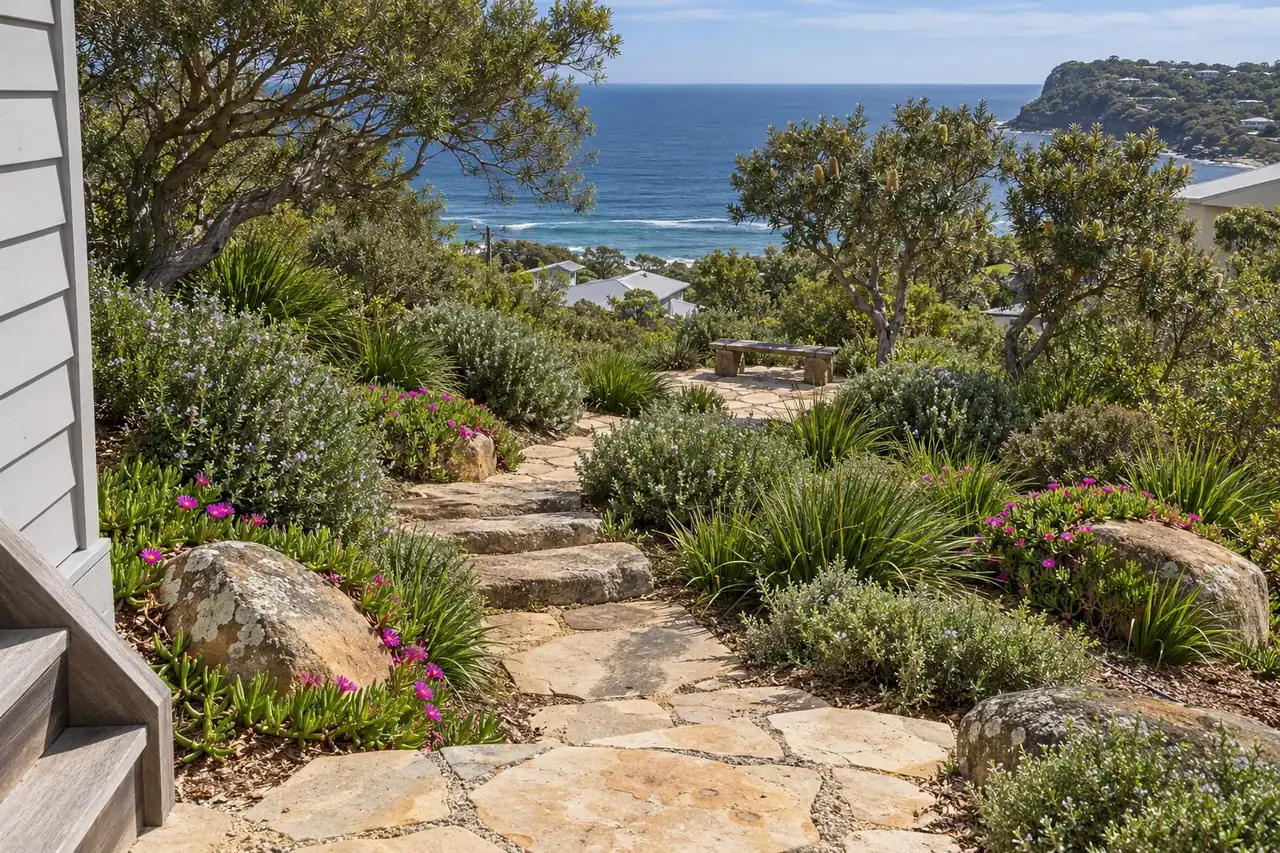
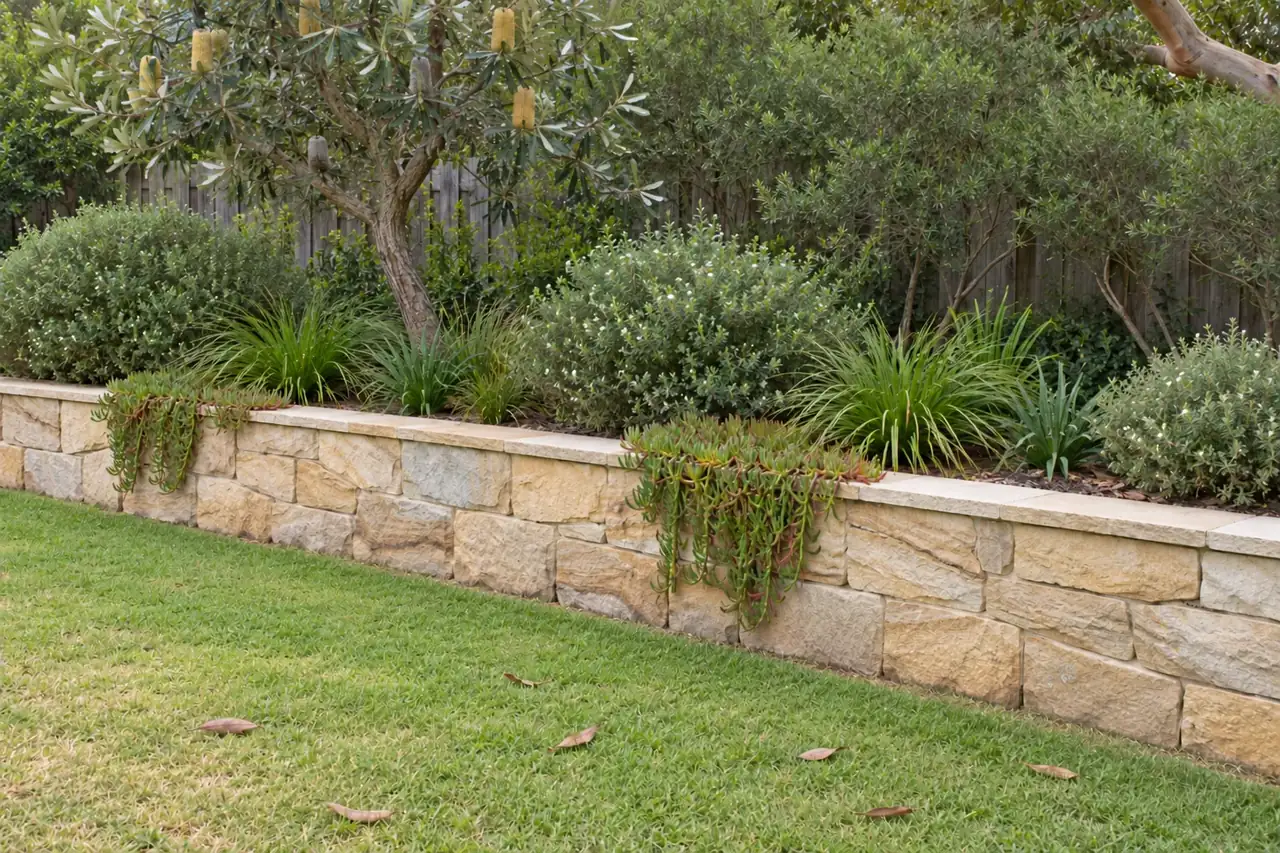
For Northern Beaches planting near the water, coast banksia, westringia, lomandra, grevilleas, correas and native grasses handle salt wind, sandy soil and summer heat. The range widens further inland. We prepare the soil, plant, mulch and set up drip watering, and plant hedges for screening and privacy.
Request a free quoteWe prepare beds with soil improver, plant to a plan and mulch.
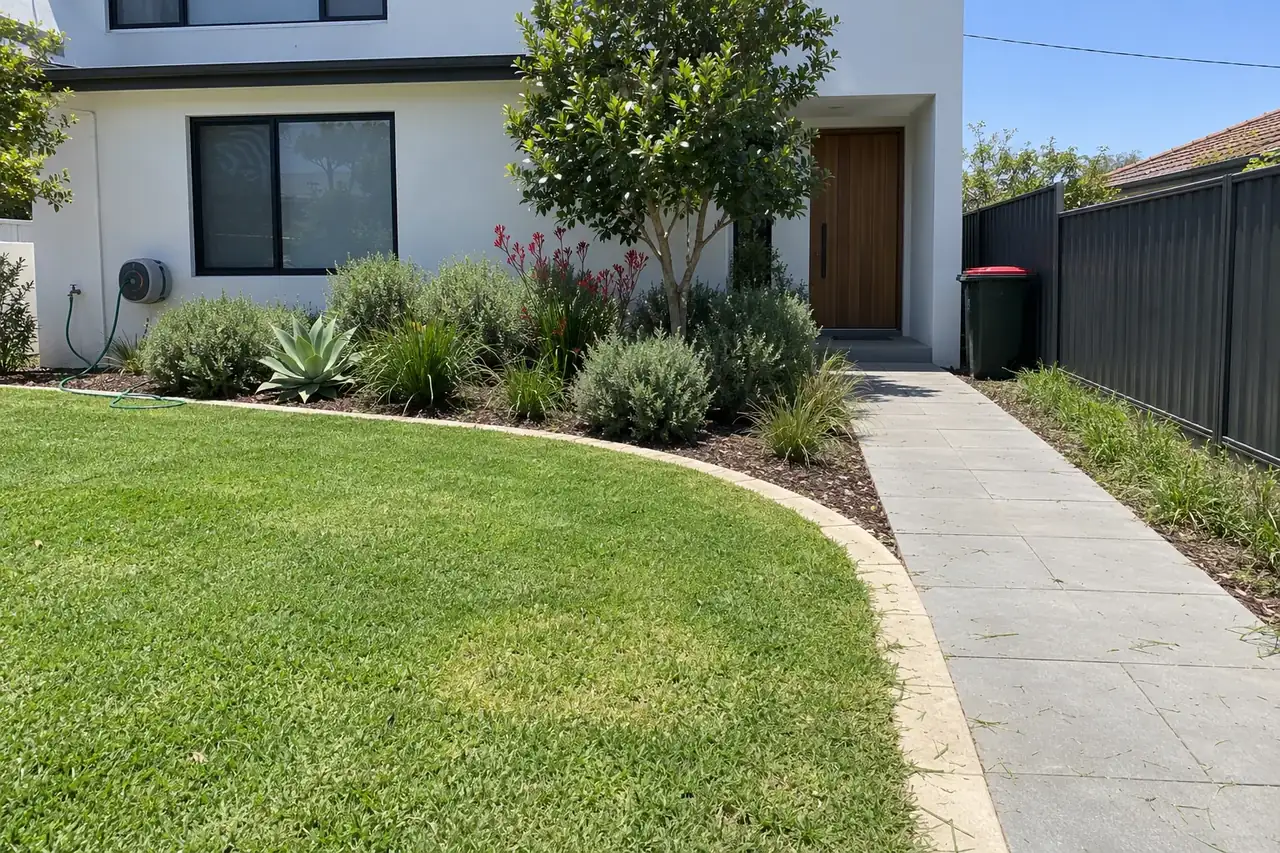
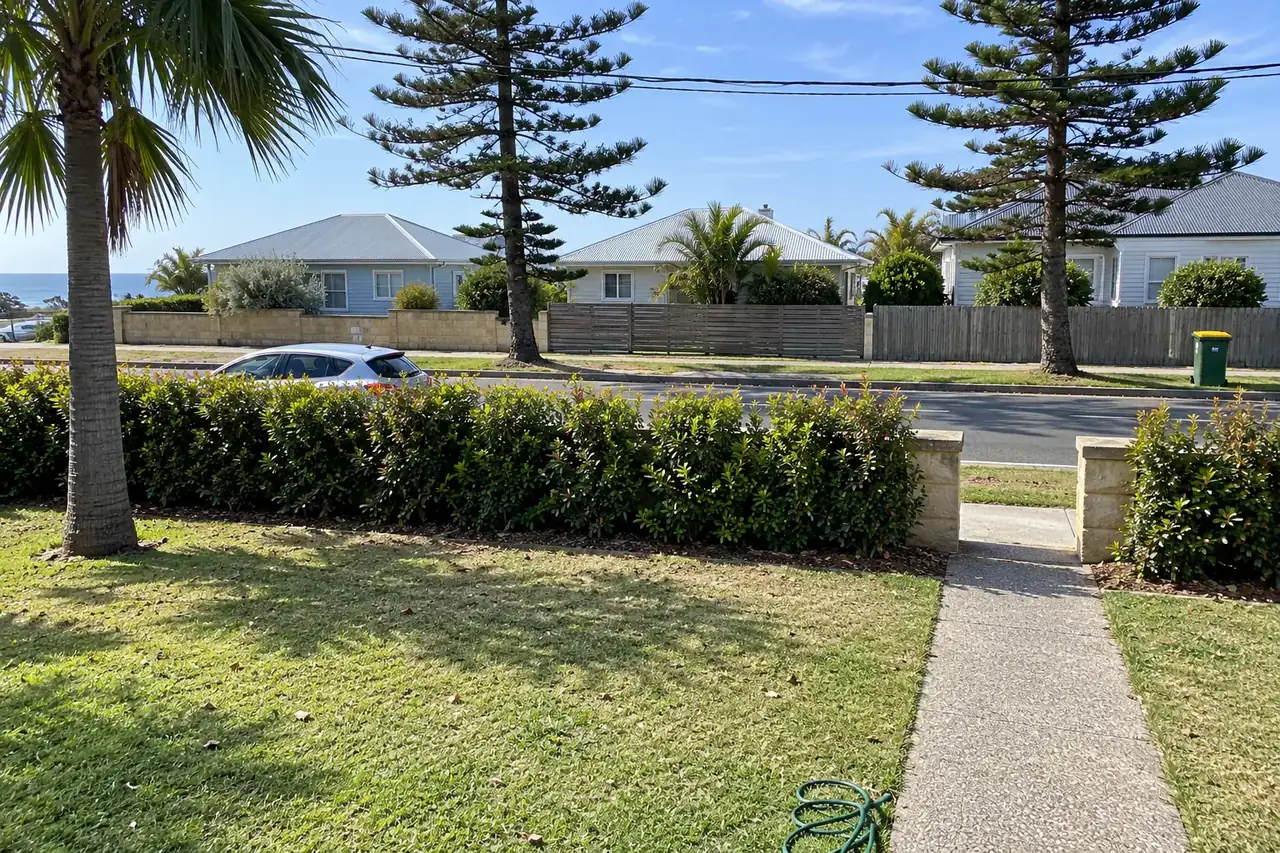
Lilly pilly, westringia and other screening plants for privacy from the street or a new house next door.
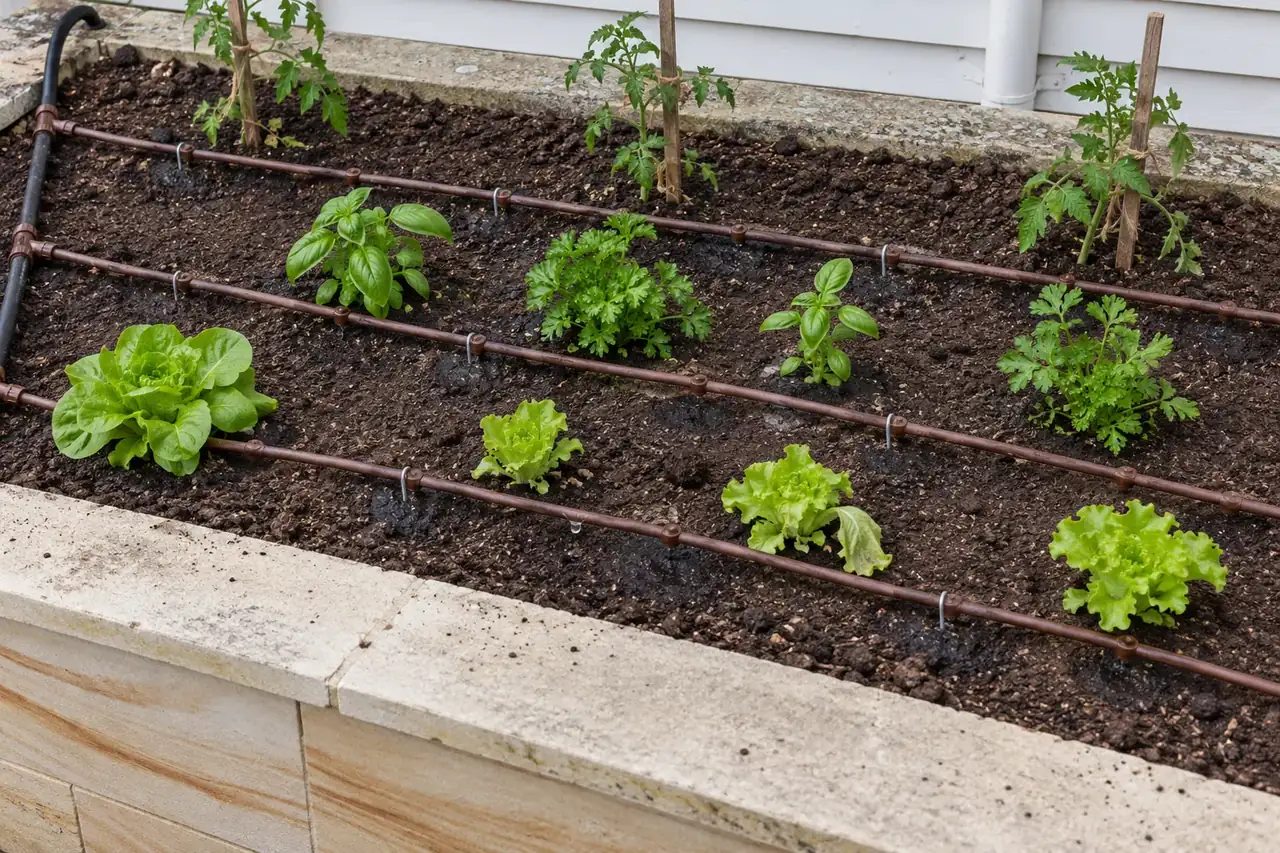
Drip lines under the mulch that water the roots directly and waste less water.
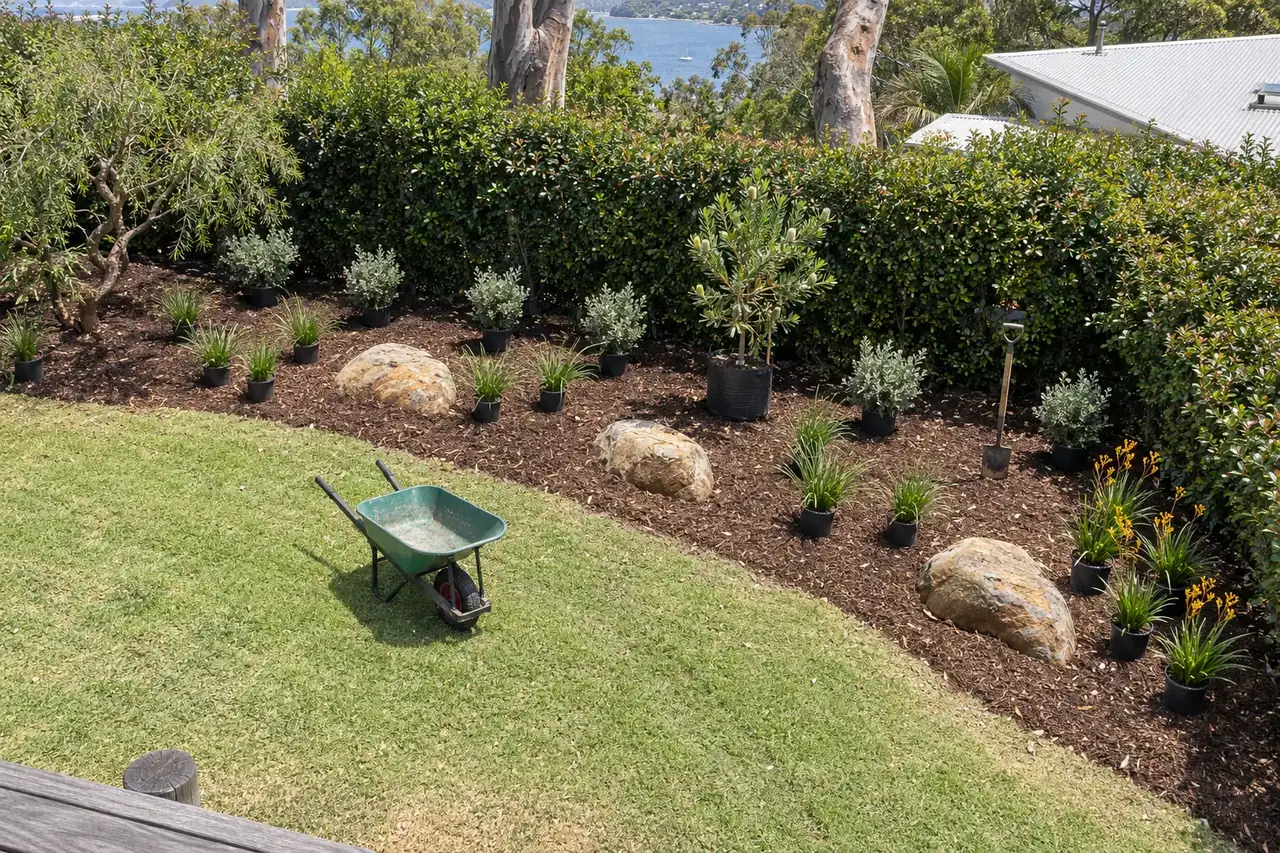
Sandy soil drains fast and holds few nutrients. We dig in compost and soil improver before planting to help plants establish.
Plants on the windward side take the salt spray. We place tough coastal plants there to shelter softer ones behind them.
About 75 mm of mulch keeps roots cool, holds water in sandy soil and keeps weeds down.
New plants need regular water for their first few months. Drip lines on a timer, run early in the morning, do this with little waste.
The sheltered gullies of Avalon, Bilgola and Bayview suit cabbage tree palms, native to the peninsula, with tree ferns and maidenhair fern underneath.
The landscaper checks sun, wind, salt exposure, soil and drainage, and what you want the bed to do: screen, flower, low upkeep.
Species are chosen for the spot, often from Northern Beaches Council's native planting guide for your ward (Manly, Curl Curl, Frenchs Forest, Narrabeen or Pittwater), and plant sizes are agreed.
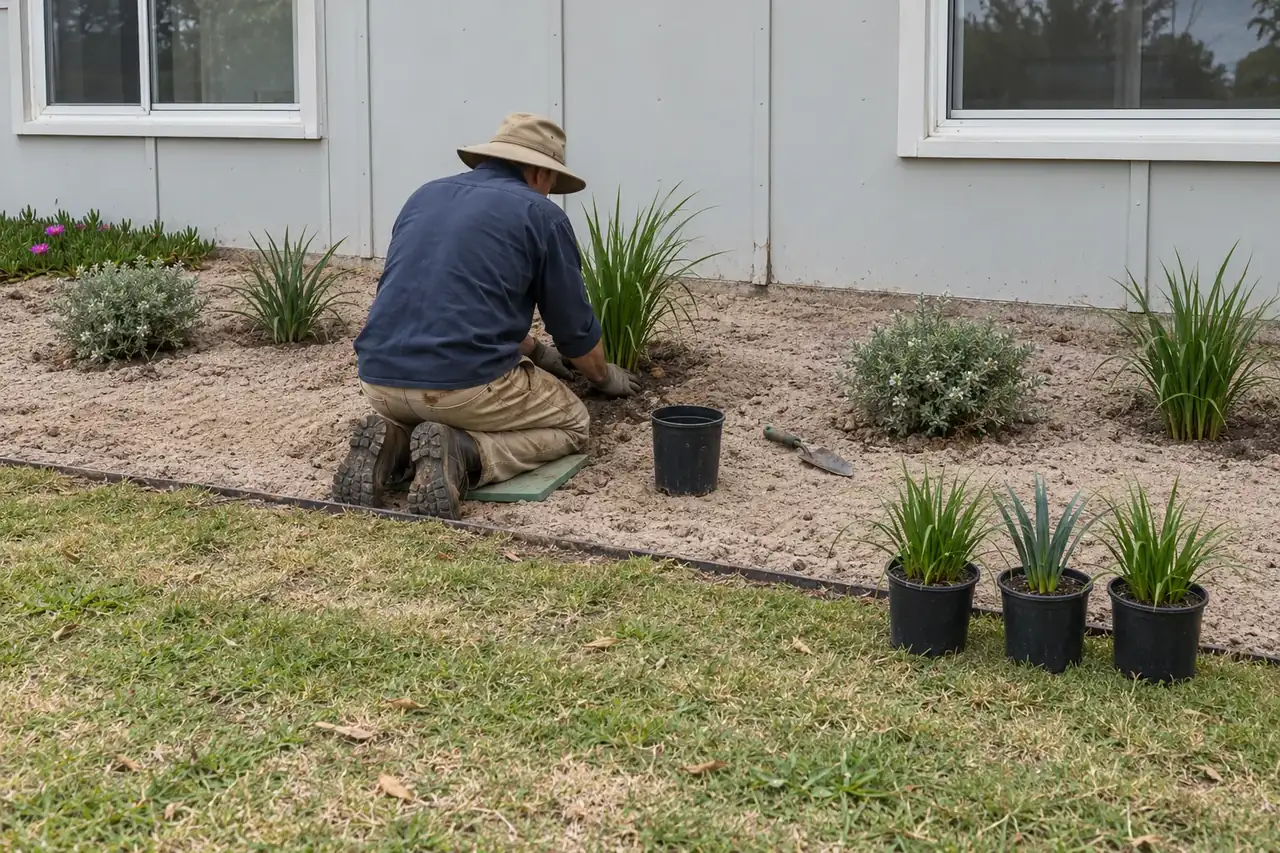
Weeds and old plants come out, the soil is broken up and compost blended in, and edging is set.
Plants are set out to the plan with room to grow, planted and watered in; Sydney Water allows watering a new garden at any time for 28 days.
Mulch goes on at about 75 mm, the site is cleaned up, and you get care notes.
Autumn and spring. The soil is warm and the weather mild, so roots establish before the summer heat.
Sydney guides put a new garden bed, with soil preparation, edging, plants and mulch, at about $57 to $205 a square metre, typically $115 (What's The Damage?, October 2026). Plant size makes the biggest difference: tube stock costs a fraction of advanced plants. Soil improvement, salt-tolerant species, clearing old plants and access also change the price. Your price is set at the free site visit.
Lilly pilly is a popular quick screen in Sydney. Westringia grows more slowly but handles salt wind well.
Every day or two for the first few weeks, then about weekly through the first summer, more in hot dry spells.
Yes. We remove old plants, weeds and roots and improve the soil, so new plants aren't competing.
On the front line, coast banksia, coast tea tree, coastal wattle, coastal rosemary, white correa and pigface take the salt. A street or two back, lilly pilly, grevilleas, bottlebrush, lomandra and dianella grow well. Sheltered gullies suit cabbage tree palms, tree ferns, maidenhair fern and water gum.
Shade-tolerant natives such as dianella, lomandra, native violet, maidenhair fern and, in damp spots, native river mint, plus clivia and Philodendron 'Xanadu' where an exotic is fine. Under gums, plant small tubestock between the roots, mulch and water through the first summer.
Swamp oak tolerates swampy and salty soil but grows into a big tree, 8 to 20 m. Swamp paperbark, knobby club rush and water gum suit damp ground in smaller gardens. Near the lagoons, these do better than lawn or plants that need good drainage.
Nothing climbable in the 900 mm outside the fence. NSW pool rules keep trees, shrubs, pots and planter boxes out of that zone, and out of 300 mm inside it. A screening hedge can go beyond it, with branches trimmed so they don't reach over.
Council's weed list includes asparagus fern, lantana, privet, bamboo, morning glory, Mickey Mouse plant, cockspur coral tree, pampas grass and fountain grass. On bush-edge blocks especially, local natives are planted instead, so nothing spreads from the garden into the reserve.
Yes. Layered planting works best: a few trees, flowering shrubs such as grevilleas, banksias and correas, and dense prickly shrubs where small birds can shelter. Council's Backyard Habitat program lists 66 local natives suited to home gardens.
Send a short description of the job, your suburb and a photo if you have one. We’ll reply to arrange a site visit and a free quote. You can also email quotes@northernbeacheslandscaping.com.au.
Thanks, we have your details
We’ll be in touch to arrange a site visit and a free quote. If it’s urgent, email quotes@northernbeacheslandscaping.com.au.