Paving Northern Beaches
Manly to Palm Beach
Manly to Palm Beach
Sandstone, travertine, porcelain and granite paving suits Northern Beaches gardens when it's laid on a firm base with a fall away from the house. Near the beach, we use non-slip finishes that cope with salt and sand. We lay pavers for patios, paths, stepping stones and pool surrounds from Manly to Palm Beach.
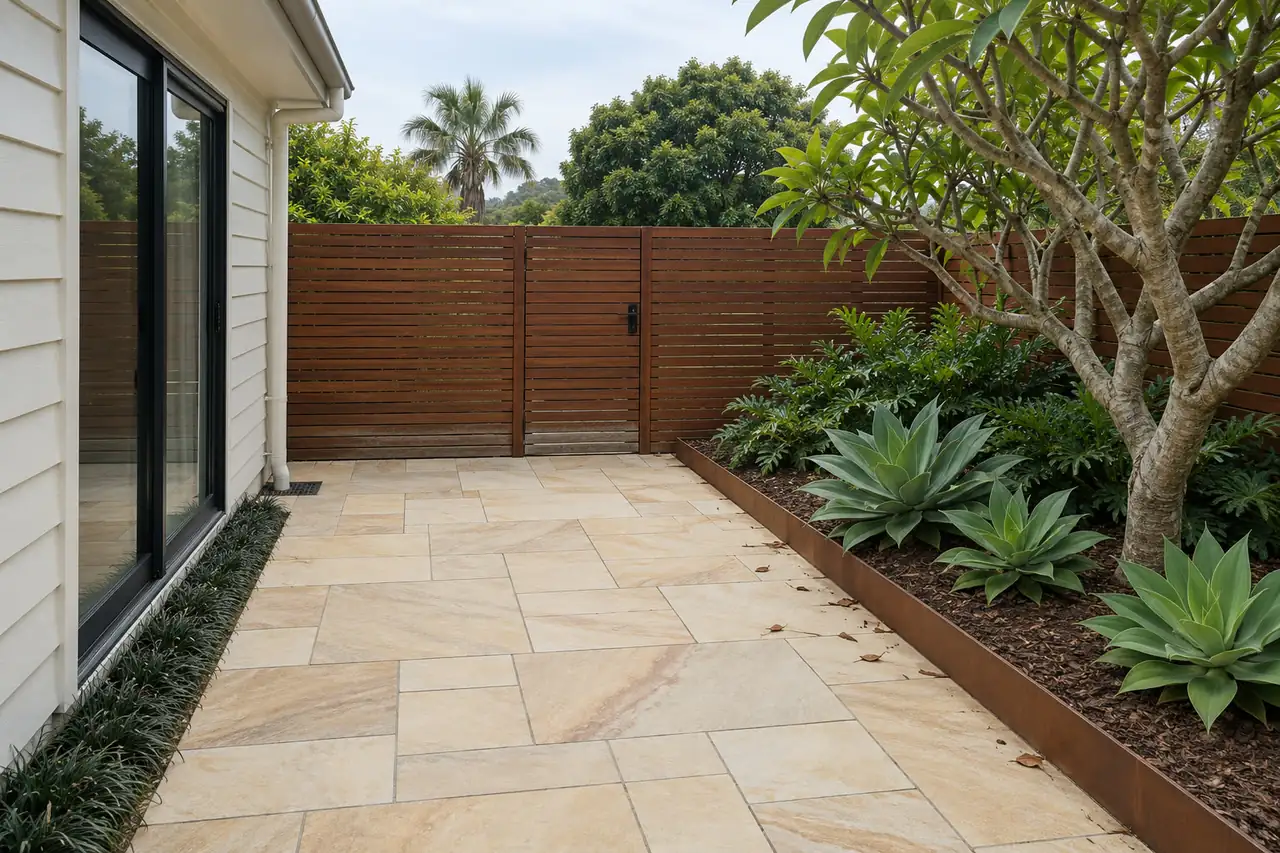
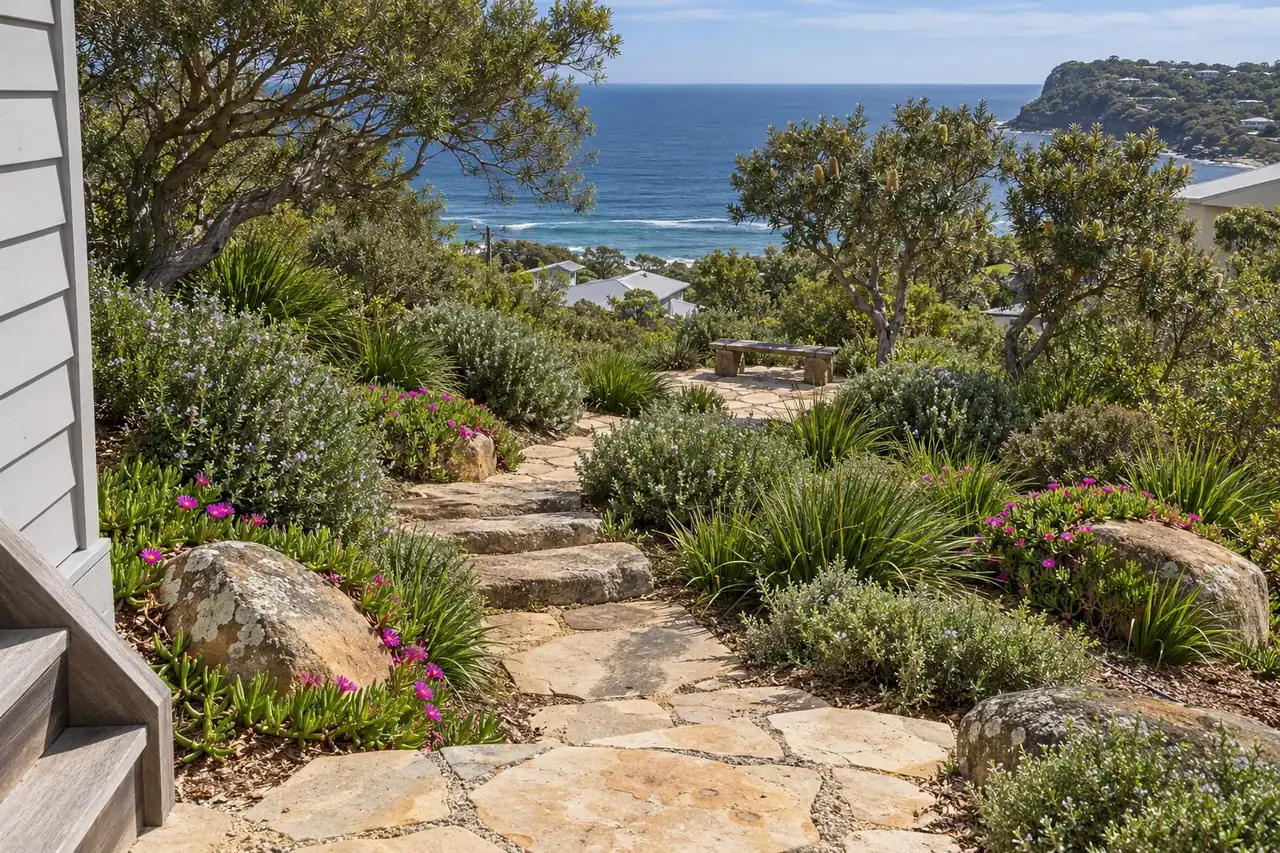
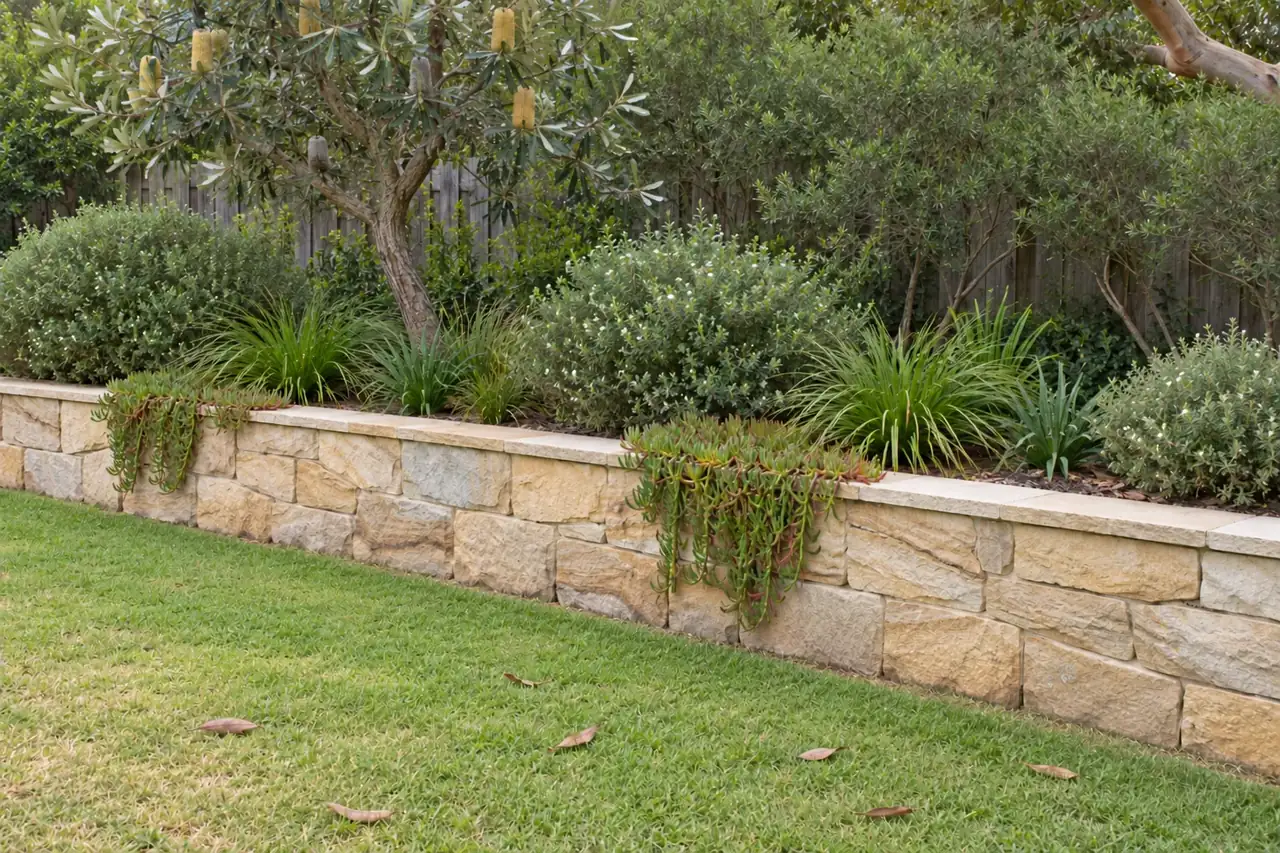
Request a free quoteRandom or sawn local sandstone for paths and patios.
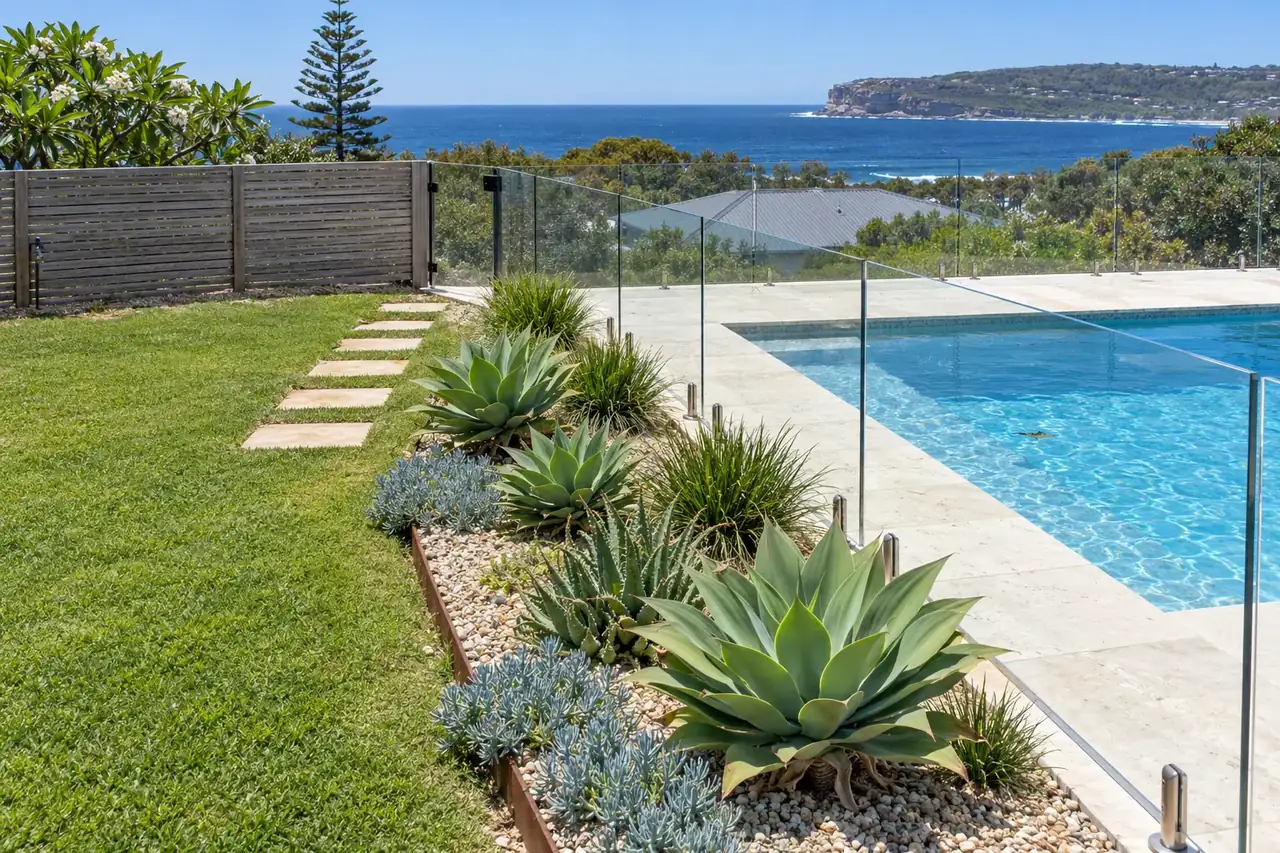
Non-slip coping and paving around pools, laid to drain away from the water.
Paths, stepping stones and front entries in stone or porcelain, on compacted road base or a slab.
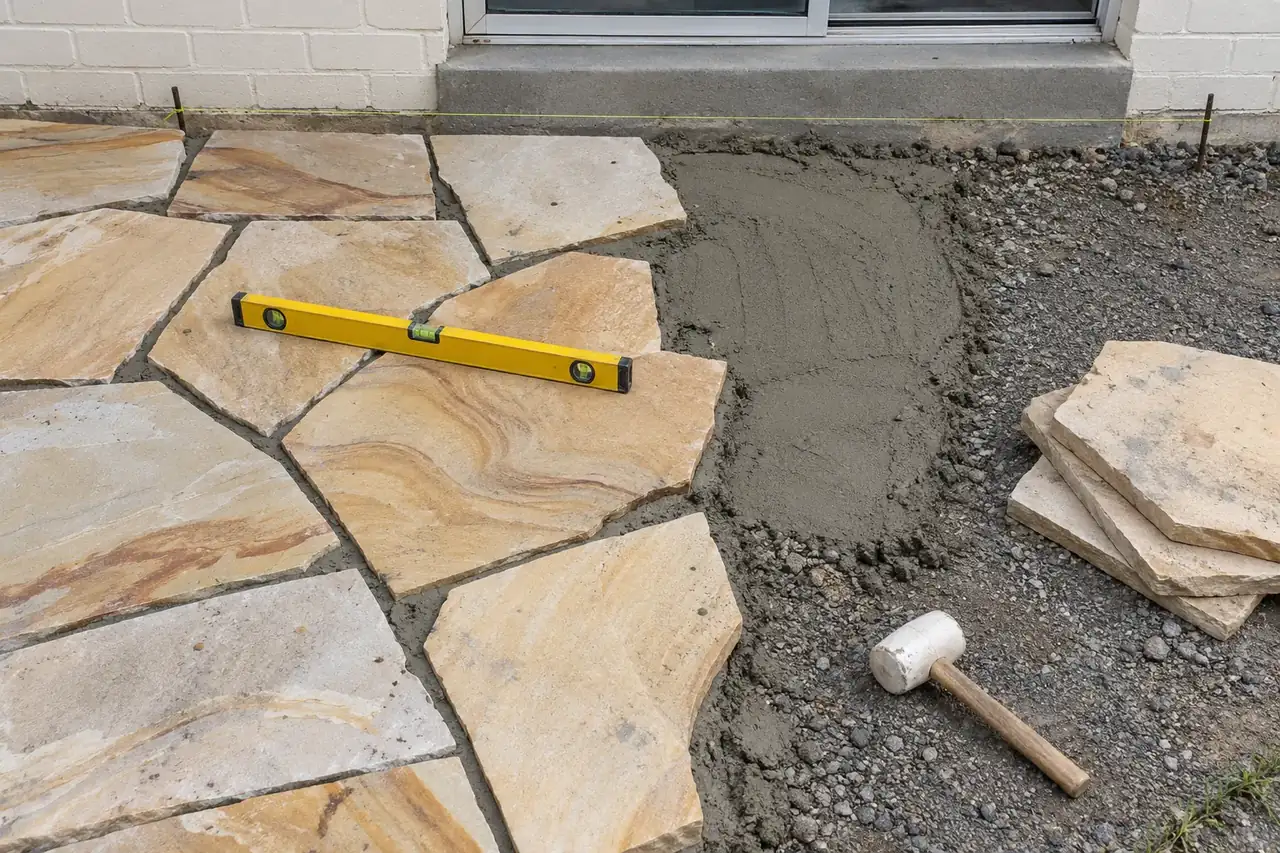
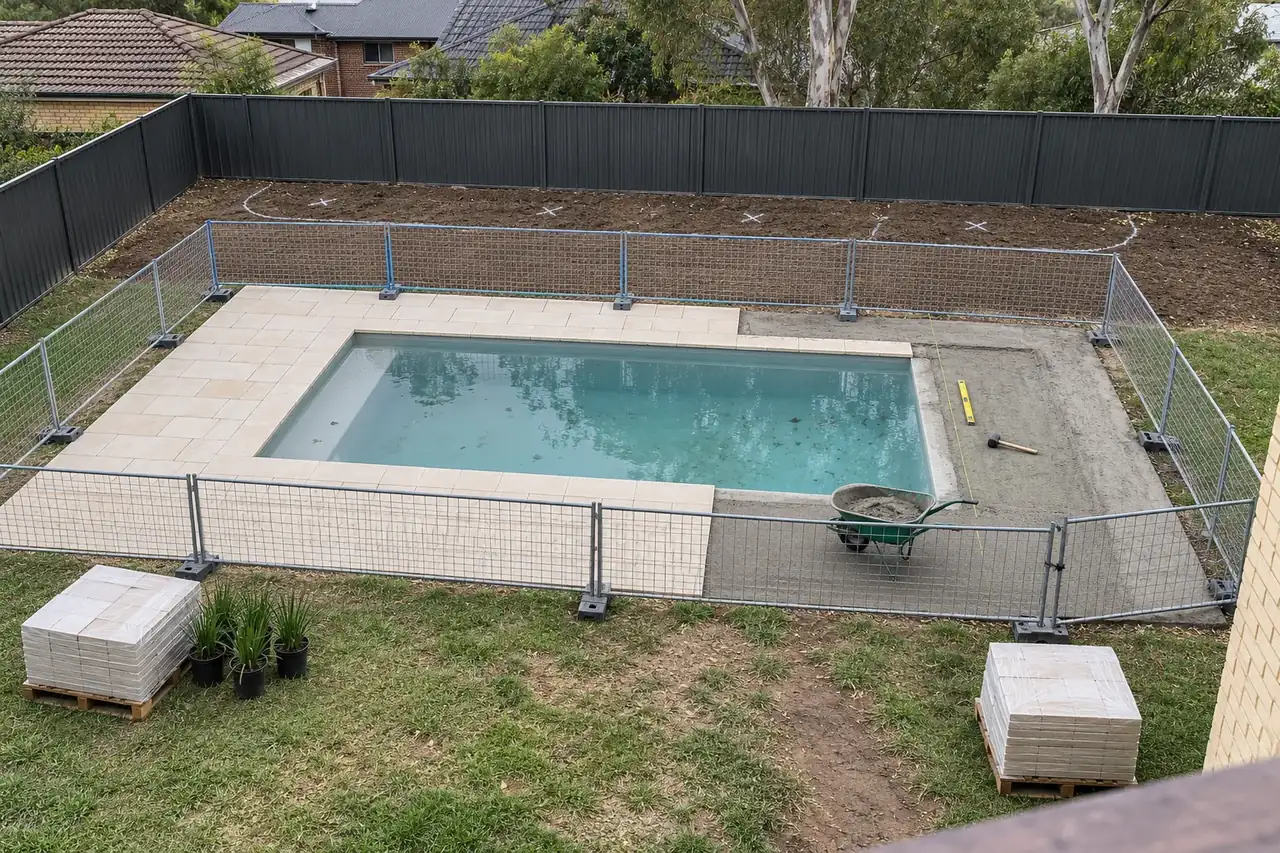
Most paving problems start underneath. On the sand near the beaches, we compact a deeper base; where cars drive or the ground is soft, we lay pavers on a concrete slab.
A gentle fall (slope) of about 1 in 100 away from the house lets water run off instead of pooling against the walls.
Pool surrounds and outdoor steps need a non-slip finish. Sawn sandstone and textured porcelain grip better than honed or polished stone.
Sandstone is porous, so near the coast we seal it against salt and stains. It needs resealing every few years.
Paving is usually exempt from approval, but not on the water side of a foreshore building line, in a heritage area or on a heritage item. Many Pittwater and harbour waterfront lots have that line.
Nothing climbable may sit within 900 mm outside a pool fence or 300 mm inside it, so raised edges, planters and steps are planned around that zone.
The landscaper measures the area, the levels and which way water should run, and checks what has to come up and how pavers will get in.
After a Before You Dig check, turf and soil are dug out, and crushed rock is laid and compacted in layers: about 75 to 100 mm for paths and patios, 150 to 200 mm for driveways.
A concrete edge restraint goes in so the pavers can't creep, and 20 to 30 mm of bedding sand is screeded flat; stone around pools often goes on a concrete slab instead.
Pavers are laid to string lines with a fall away from the house of about 1 in 100, and cut around edges, drains and coping.
The surface is compacted and jointing sand is swept in until every joint is full.
Natural stone is sealed where it needs it, and the site is cleaned up.
Yes. It's local, stays cooler underfoot than dark stone and suits the coastal look. It's softer than granite, so we seal it and recommend keeping it off heavy driveways.
Sydney guides put paving, supplied and laid on a compacted base, at about $100 to $165 a square metre for concrete pavers and $160 to $290 for natural stone such as sandstone (Yakka Labour, October 2026). Digging out, removing old paving, levels and steps, pool coping and carrying pavers down stairs change the price. Your price is set at the free site visit.
A light-coloured, non-slip stone or porcelain that stays cool underfoot. Pool fencing rules still apply once the paving is in, so we leave room for the fence.
Not always. We can lay paths and patios on compacted road base where the ground is firm. Driveways, soft or sandy ground and thin pavers usually need a slab.
Often, if the slab is sound and slopes the right way. Cracked or sunken slabs are best removed first.
Usually the base. Pavers laid on a thin or poorly compacted base, or with no edge restraint, settle, and water getting under through open joints washes the sand out. Tree roots and leaking pipes cause it too. The fix is to lift them, rebuild the base and relay with edging.
White is usually salt carried up by water through the base or mortar; it brushes off once dry and stops when the water does. Green or black is algae or moss in damp shade. A better fall, drainage and a clean, then sealing, deal with both.
Yes, flat paving can. NSW pool rules keep a 900 mm zone outside the fence clear of anything a child could climb, such as planters, raised edges, pots and steps, and 300 mm inside it. We plan paving levels and edges around that zone.
Usually. We bridge or work around large roots rather than cut them, and lay permeable paving or stepping stones on a sand bed, so water and air still reach the roots. A solid slab over the root zone of a big tree often harms it.
Closely, though rarely exactly. Sandstone colour varies from quarry to quarry and bed to bed, and old stone has weathered. Reclaimed sandstone, or new stone picked from samples laid beside the old, gets close, and new stone weathers towards the old over a year or two.
Usually not, for ground-level paving that drains to your stormwater system. Paving on the water side of a foreshore building line, in a heritage conservation area or on a heritage item needs approval. We check this at the site visit.
Send a short description of the job, your suburb and a photo if you have one. We’ll reply to arrange a site visit and a free quote. You can also email quotes@northernbeacheslandscaping.com.au.
Thanks, we have your details
We’ll be in touch to arrange a site visit and a free quote. If it’s urgent, email quotes@northernbeacheslandscaping.com.au.